


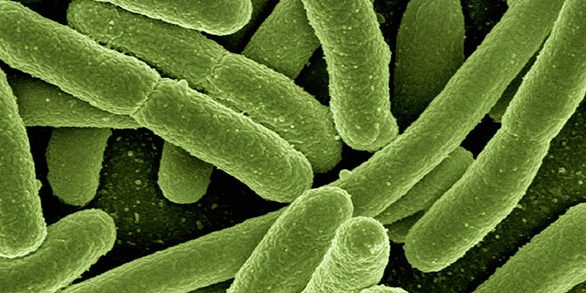
Most common types of foodborne diseases.
Foodborne Diseases: Foodborne Zoonosis
Zoonoses are food-borne diseases of origin between animals and man through the consumption of food or water contaminated with a bacterium, its toxins, a virus or a parasite. Salmonellosis was the most common cause in bars and restaurants in 2017.
There is a wide variety of foodborne diseases (Zoonoses), whose symptoms can range from mild gastrointestinal syndromes to sometimes endangering the life of the affected person.
Types of most common Foodborne Diseases
Here is a brief list of the different most common foodborne diseases that exist today:
- Listeria monocytogenes
It is the cause of the most serious zoonosis in terms of hospitalization and mortality rate, although few annual cases are reported. The population at greatest risk are pregnant women, children, the elderly and the immunosuppressed.
- Yersinia spp.
Currently considered the third most important food zoonosis.
- Campylobacter spp.
Responsible for the most frequent foodborne disease (Zoonosis).
- Salmonella spp.
Cause of the most common zoonosis, especially in food outbreaks.
- Pathogenic Escherichia coli
It is the cause of one of the most emerging foodborne diseases .
- Anisakis
One of the most common foodborne diseases. They are caused by the Anisaki parasite, its presence can be detected with the naked eye, its prevention is more.
- whipworm
Foodborne zoonosis caused by parasites, is the foodborne disease located in the spotlight.
- Botulism
Zoonoses caused by toxins canned foods are the highest risk foods.
- Virus
Increase in zoonoses caused by viruses.
Classification of Foodborne Diseases
Foodborne zoonoses or also called foodborne diseases, are normally classified according to the agent that causes them:
- Infection, caused by the contamination of a food by a bacterium.
- Infestation, caused by the contamination of food by a parasite.
- Intoxication, the causative agent of zoonosis generates a toxin.
- Toxiinfection, the causative agent is both the bacteria and the toxin.

How are foodborne diseases spread?
There are 3 main causes for which some type of foodborne diseases are transmitted:
- Due to contamination throughout the food chain.
- Contamination from manipulators, hands and utensils.
- Breakage of the cold chain, insufficient heat treatments, keeping foods at room temperature.
How to avoid foodborne diseases?
Prevention is the most effective weapon against the different types of contagion of foodborne illnesses. Through the training of all personnel who, at some point in the production chain, are in contact with food.
Good food handling practices
Incorporation in all food-related companies, which, on a regular basis, must apply good handling practices, to avoid different types of foodborne diseases mentioned above:
- Management systems
Implementation of management systems Self-control-APPCC, Traceability, Legislation and food regulations, Internal auditors, ISO 9000, ISO 22000, BRC Standards, IFS.
- Control systems
Routine control, through analyzes by internal and/or external laboratories of the causes of the dreaded zoonoses to verify the commercialization of safe and controlled foods.
Convet sl has techniques accredited by ENAC for the detection of microorganisms that cause food zoonoses.
Techniques
Rapid techniques with results in 24-48 hours for the detection of Salmonella spp, Listeria monocytogenes, pathogenic Escherichia coli, Campylobacter spp . The speed of results is paramount when it comes to being able to dispatch food quickly and safely. Streamlining the room for maneuver for those responsible for quality in the different food companies.
Specialized Department and Training
An advisory/auditing department is also key to avoiding the different foodborne diseases. Whose main function is to guide companies towards compliance with all kinds of regulations and the implementation of management systems. Continuous training for companies in the agri-food sector.